

For years, the narrative around movie theaters was one of slow decline. Streaming services put thousands of films a tap away, home TVs got bigger and sharper, and industry commentators regularly predicted the death of the traditional cinema. Yet theaters are still here, and in many markets they are seeing a real resurgence. The reasons say a lot about what streaming still cannot replicate.
Streaming Fatigue Is Real
One major shift is subscription fatigue. As more services launched, each with its own exclusive content and monthly fee, the promise of streaming as one simple, affordable alternative to cable started to break down. Many households now juggle several subscriptions just to watch everything they want, which has quietly eroded the cost advantage streaming once had over the occasional theater ticket.
The Experience Itself Is the Product
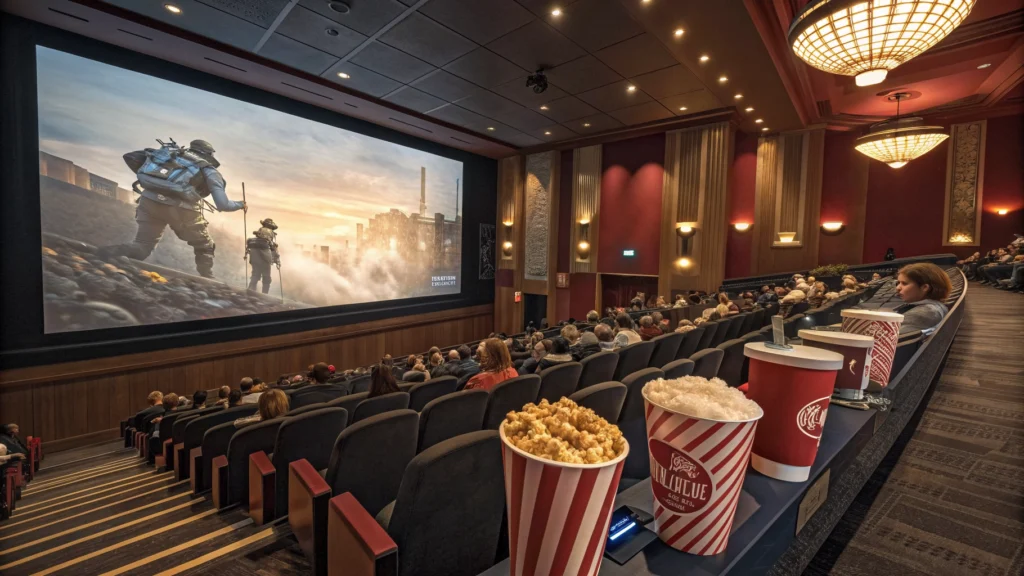
Theaters have leaned hard into what a living room simply cannot offer: massive screens, immersive sound systems, and formats like premium large-format screens that make a film feel physically different to watch. For big-budget action, sci-fi, and event films especially, part of the appeal has shifted from just watching the story to experiencing the spectacle in a way a television cannot fully match.
Going Out Became the Point
After long stretches of increased time spent at home, many people rediscovered the value of shared, out-of-the-house experiences. Watching a film with a full, reactive audience — laughing, gasping, or applauding together — is a fundamentally different social experience than watching alone or with a small group at home. Theaters have increasingly marketed themselves around this communal aspect rather than competing purely on convenience.
Theaters Are Adapting Their Business Model
- Reclining seats and reserved seating have replaced uncomfortable stadium seating in many chains, closing the comfort gap with home viewing.
- Loyalty programs and subscription ticket plans let frequent moviegoers watch multiple films a month for a flat fee, mimicking the value proposition of streaming itself.
- Expanded food and drink options, including full bars and restaurant-style menus in some locations, have turned a movie outing into a broader night out.
- Re-releases of older, beloved films have proven surprisingly popular, giving theaters a low-cost way to fill seats between major new releases.
Frequently Asked Questions
Are movie theaters actually growing again?
Many markets have seen box office recovery and renewed attendance growth, particularly for large-format screenings and major event releases, even though overall attendance has not fully returned to pre-streaming-era peaks everywhere.
Why do people still pay for theaters when streaming exists?
Larger screens, immersive sound, the communal audience experience, and subscription fatigue with multiple streaming services have all contributed to theaters retaining real value for many moviegoers.
What types of movies benefit most from theatrical release?
Big-budget action, sci-fi, and visually driven event films tend to benefit the most from a theatrical release, since their appeal often leans heavily on scale and spectacle that a home screen cannot fully replicate.
The theater industry has not simply survived streaming — it has repositioned itself around the things streaming cannot offer. Rather than competing on convenience, theaters are competing on experience, and for a meaningful share of moviegoers, that shift has been enough to bring them back.