
Vitamin D deficiency is one of the most common nutrient shortfalls worldwide, and one of the easiest to miss, because its early symptoms are vague and easy to blame on stress, poor sleep, or just “being busy.” Since vitamin D is produced mainly through skin exposure to sunlight, people who spend most of their time indoors, live in northern climates, or consistently use sunscreen are especially prone to running low.
Here’s what to watch for, and why it happens.
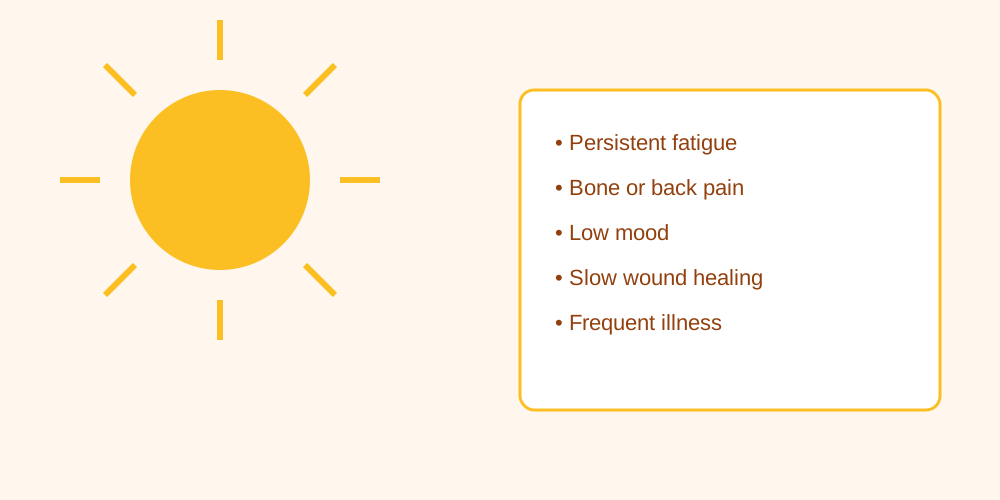
Persistent Fatigue
Feeling tired even after a full night’s sleep is one of the most frequently reported symptoms of low vitamin D. Vitamin D plays a role in how muscles and cells use energy, and a shortfall can leave you feeling drained without an obvious cause.
Bone, Joint, or Back Pain
Vitamin D helps your body absorb calcium. Without enough of it, bones can become weaker and more prone to aching, particularly in the lower back, hips, and legs. In more severe or prolonged cases, this can progress to a condition called osteomalacia, where bones soften noticeably.
Low Mood
Vitamin D receptors are present in areas of the brain linked to mood regulation. Several studies have found an association between low vitamin D levels and increased rates of low mood, particularly during winter months when sunlight exposure drops — sometimes referred to as seasonal affective patterns.
Slow Wound Healing
Vitamin D supports the compounds your skin needs to repair itself after an injury or surgery. Cuts, scrapes, or surgical wounds that seem to take unusually long to heal can sometimes point back to a deficiency.
Getting Sick More Often
Vitamin D plays a meaningful role in immune function. People with low levels tend to report more frequent colds, respiratory infections, and generally longer recovery times when they do get sick.
Who’s Most at Risk
- People who spend most of the day indoors or work night shifts
- People with naturally darker skin, which produces vitamin D less efficiently from sunlight
- Older adults, since skin becomes less efficient at producing vitamin D with age
- People living at higher latitudes with limited sun exposure for part of the year
- People who consistently cover most of their skin or use high-SPF sunscreen daily
What to Do About It
If several of these symptoms sound familiar, the most reliable way to know for certain is a simple blood test from a doctor, which measures your 25-hydroxyvitamin D level directly. Guessing based on symptoms alone isn’t a substitute for testing, since these signs overlap with several other common conditions. A doctor can also advise on safe supplementation and dosage if a deficiency is confirmed, since vitamin D needs vary by age, existing health conditions, and how low your levels actually are.